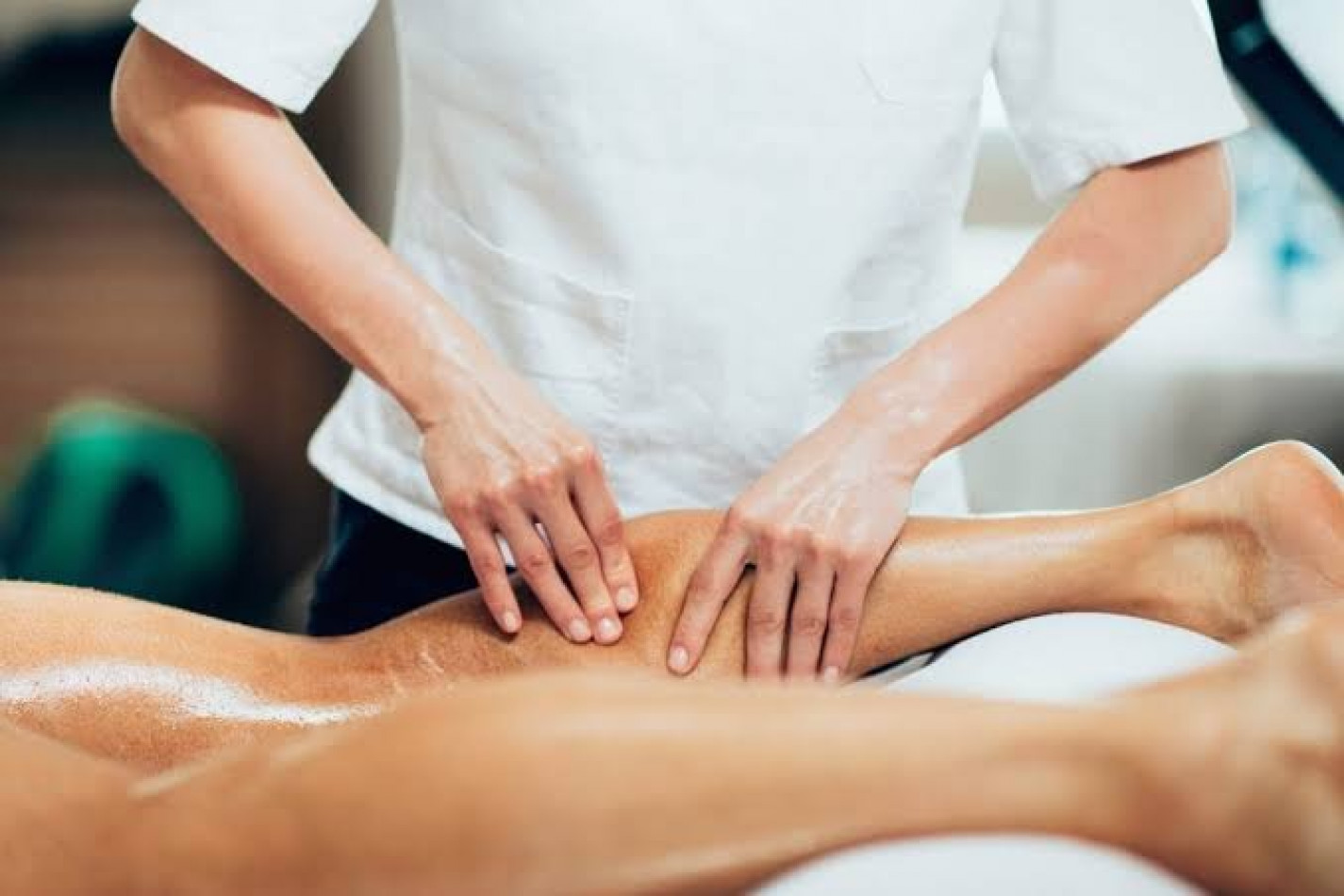
Sports Massage Therapist vs Personal Trainer: Can You Do Both?
If you're already a qualified personal trainer, you've probably wondered whether it's worth adding sports massage to your skill set, or whether the two are different enough that it's not worth the crossover. The short answer: they're highly complementary, and combining them is one of the more effective ways PTs diversify their income.
How the two roles differ
|
|
||
|
Focus |
Programming, coaching, lifestyle goals |
Hands-on soft tissue treatment |
|
Typical session |
Active coaching and exercise |
Passive, therapist-led treatment |
|
Client relationship |
Ongoing coaching relationship |
Can be standalone or complement PT work |
Why the combination works so well
- You can offer existing PT clients a genuinely useful add-on service, rather than referring them elsewhere
- Massage sessions fill gaps in your schedule that don't require the same physical energy as coaching
- Clients managing niggles or tightness are more likely to stay loyal to a trainer who can also treat them directly
- It diversifies your income beyond one-to-one training hours
What you'd need to add it
Sports massage is a separate qualification from personal training, there's no shortcut through your PT diploma. You'd complete a Level 3 Diploma in Sports Massage (no prerequisite needed), and optionally progress to Level 4 to treat injury and dysfunction as well as general maintenance work.
Is it worth the time investment?
For PTs who already have a steady client base, adding sports massage is one of the lower-risk specialisms to invest in. The course is a fixed, relatively short time commitment, and the earning potential per session is often comparable to, or higher than, a standard PT session.
Already a qualified PT? Click here to explore Level 3 Sports Massage as your next specialism