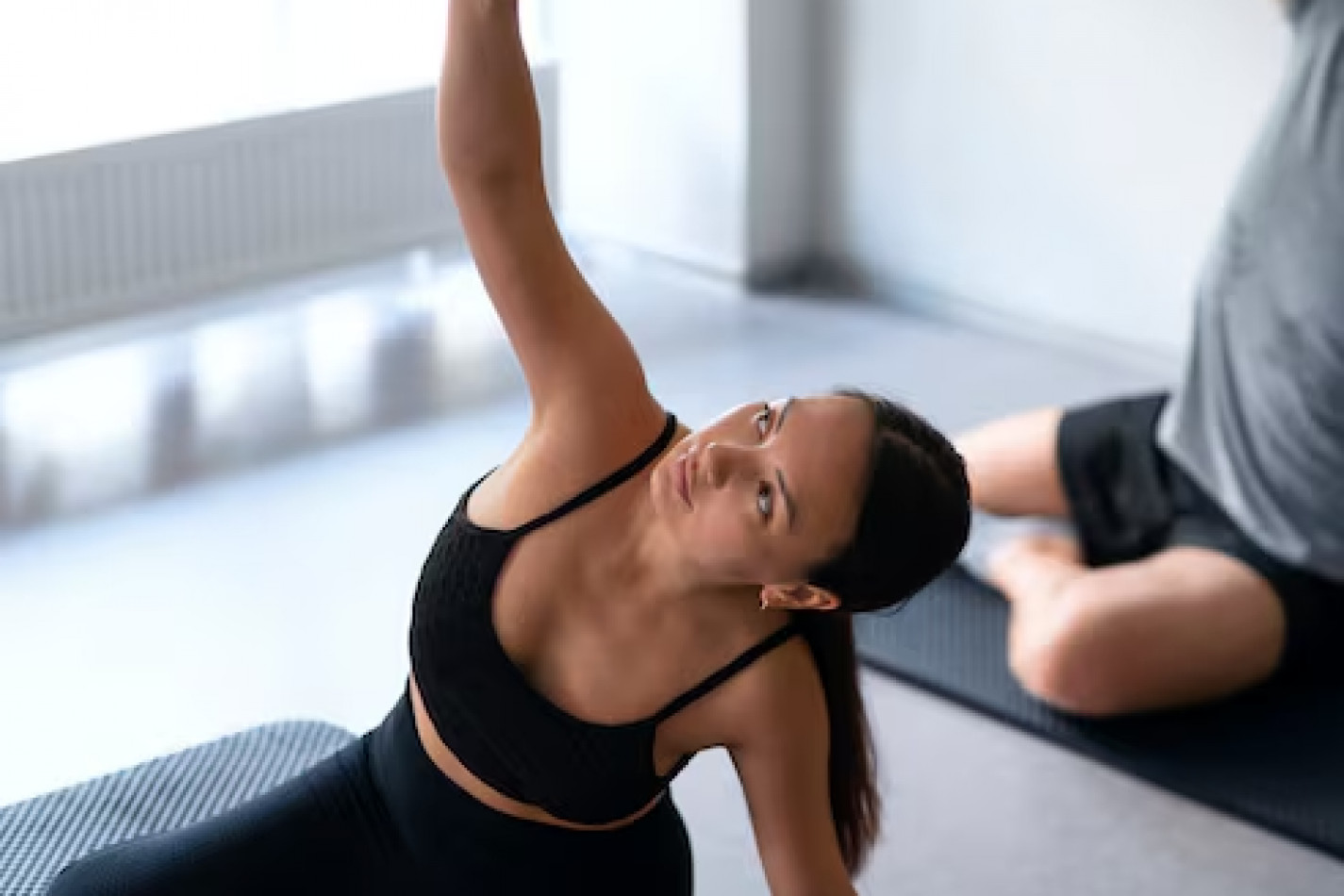
How to Start Teaching Your First Pilates Classes After Qualifying
Qualifying is only the first step. Turning a Level 3 Pilates qualification into actual paid teaching work takes a bit of planning. Here's a practical starting checklist.
Get the essentials in place first
✔ Professional indemnity and public liability insurance. Arrange this before teaching your first paid session
✔ A simple client intake process, including a basic health questionnaire (PAR-Q) for new clients
✔ A mat, and if teaching privately, basic equipment such as resistance bands or small props
✔ A clear idea of your pricing for both group classes and one-to-one sessions
Decide how you'll teach
Most newly qualified instructors start in one of a few common ways: covering or picking up classes at an existing gym or studio, renting space to run your own group sessions, or offering one-to-one sessions privately or in clients' homes. Many combine several of these as they build experience.
Pricing your sessions
Group class rates commonly range from around £20 to £40 per class, while one-to-one sessions are typically priced significantly higher. It's usually sensible to start within the typical local range for your area rather than under-pricing significantly, since raising prices later is harder than adjusting them down.
Building your first clients
-
Approach local gyms or studios about covering or picking up classes
-
If you already work as a PT, offer Pilates to existing clients as a complementary service
-
Ask early clients for reviews and referrals. Word of mouth is one of the strongest client sources in Pilates
-
Consider a taster session or introductory offer to help new clients commit
Looking further ahead
Once you're established teaching Mat Pilates, progressing to a Reformer qualification is a natural way to widen your client base and increase your session rates further.
Get in touch with our team for help finding your first teaching opportunities.