How to Become a Personal Trainer in the UK: A Step-by-Step Guide
Step 1: Understand the Qualification Pathway
To work legally and professionally as a personal trainer in the UK, you need two qualifications:
1. A Level 2 Certificate in Gym Instructing
2. A Level 3 Diploma in Personal Training
The Level 2 gives you the foundational knowledge to work on a gym floor — understanding exercise programming, anatomy and working safely with gym users. The Level 3 builds on this to qualify you for one-to-one personal training, where you'll design individualised programmes, provide nutritional guidance and coach clients toward their goals.
Most people choose a combined diploma that covers both levels in a single programme. This is the most time-efficient route and avoids the need to enrol on two separate courses.
Step 2: Choose a Recognised Provider
Not all PT courses are equal. Make sure your qualification is:
1. Accredited by a regulated awarding organisation (such as NCFE or Active IQ)
2, Recognised by CIMSPA — the Chartered Institute for the Management of Sport and Physical Activity
CIMSPA recognition matters because it tells employers your qualification meets the professional standards they expect. Without it, you may find doors closed at commercial gyms and health clubs.
Step 3: Complete the Course
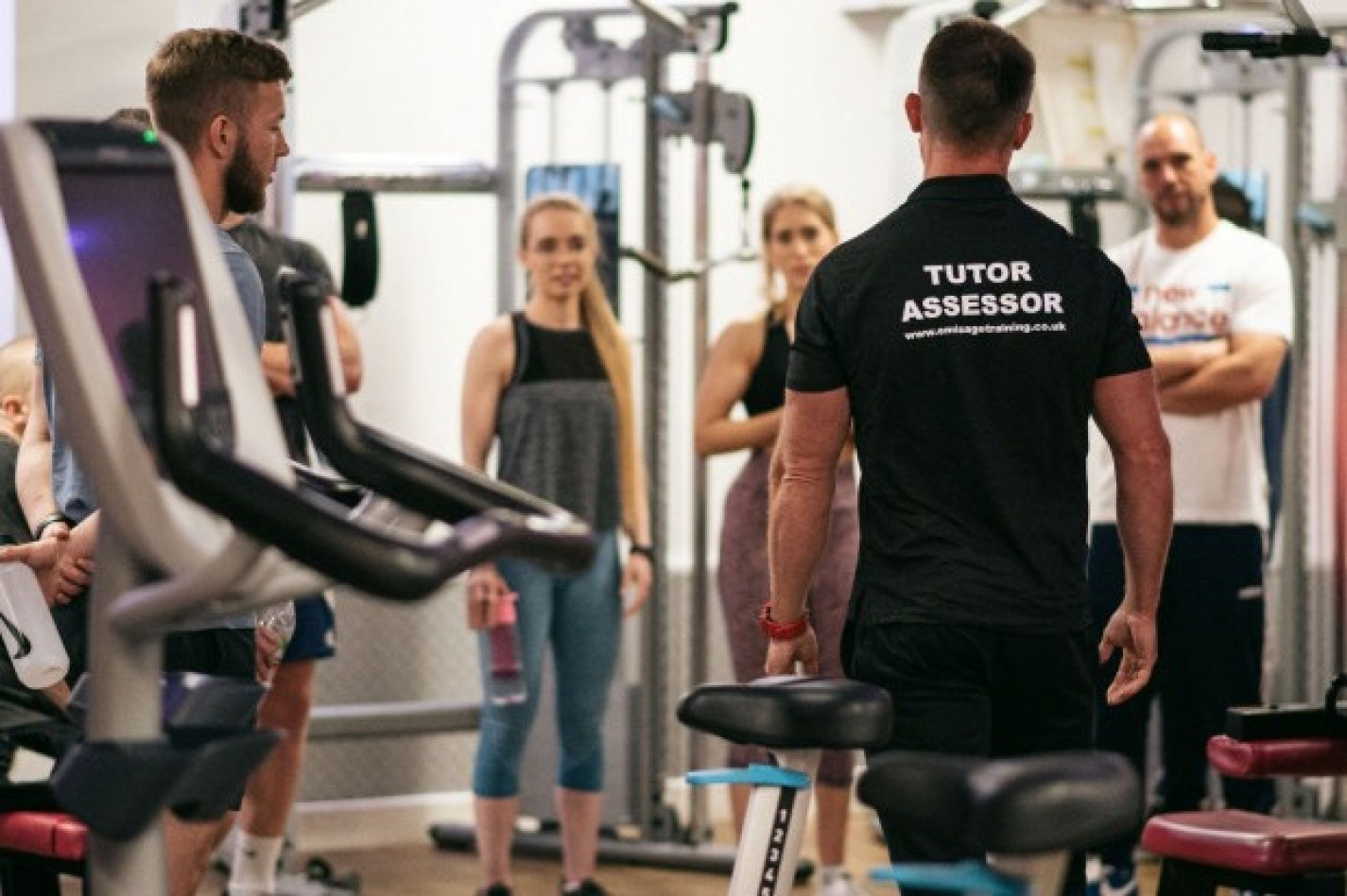
A combined Level 2 and Level 3 diploma typically involves 14 days of face-to-face taught sessions, plus home study tasks of around 2 to 3 hours per week. Assessment is portfolio-based — written workbooks, session plans and observed practical sessions — so there are no high-stakes written exams to worry about.
You need to be at least 16 years old to enrol, and no prior fitness qualification is required. A reasonable level of fitness is helpful, as you'll be participating in practical sessions throughout.
Step 4: Get Insured and Register
Once qualified, you'll need personal trainer insurance before you start working with clients — this is non-negotiable whether you're employed or self-employed. You'll also want to register with CIMSPA, which lists you in their professional directory and gives you access to CPD resources.
Step 5: Start Building Your Client Base
With your qualification in hand, you can apply for employed PT roles at gyms, leisure centres and health clubs, or set up as a self-employed trainer. Many newly qualified PTs do both — picking up employment for the stability while growing a private client base on the side.
The average personal trainer in the UK earns between £25,000 and £40,000 per year. Self-employed PTs with a strong client base often earn significantly more.
How Long Does It Take to Qualify?
A combined diploma delivered over weekends typically takes 3 to 4 months from your first day to receiving your certificate. Some providers offer faster routes, but face-to-face delivery with an experienced tutor gives you the practical confidence you need to actually work with clients from day one.
Ready to Get Started?
At Envisage Training, we deliver the Level 3 Diploma in Gym Instructing and Personal Training at the English Institute of Sport in Sheffield. Courses run on weekends and midweek, with Advanced Learner Loans available for those aged 19 and over.
Click Here For the Level 3 Diploma in Gym Instructing and Personal Training Course