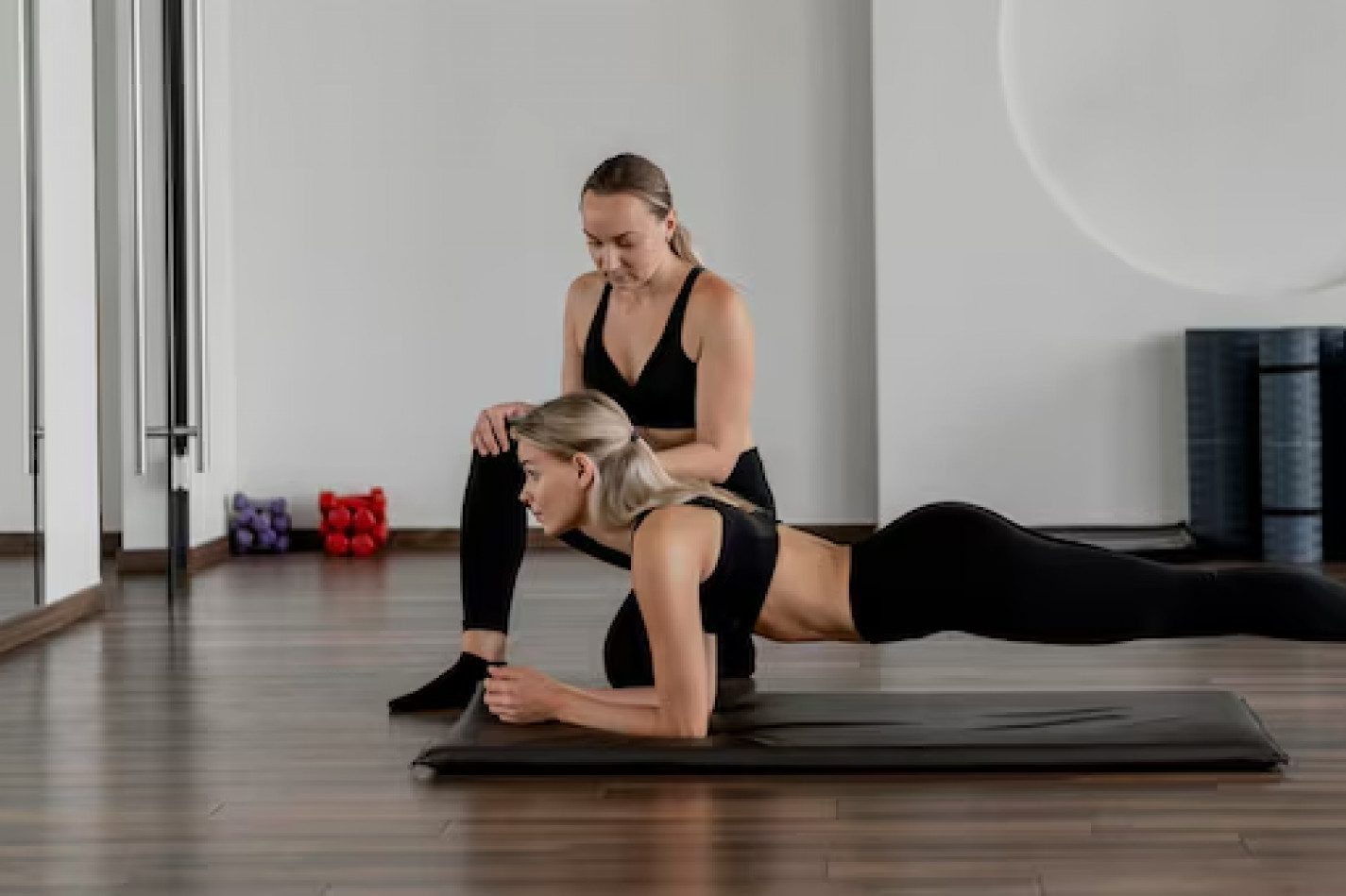
Can Personal Trainers Add Pilates as a Specialism? (Yes! Here's How)
If you're already a qualified personal trainer, Pilates might not be the first specialism that comes to mind, but it's one of the most complementary additions available, particularly for reaching clients who want something lower-impact, technical, and rehabilitation-focused.
Why the combination works
-
Pilates attracts a different client demographic, often those recovering from injury, managing back pain, or seeking low-impact strength and mobility work
-
It gives existing PT clients a genuinely different service, rather than referring them elsewhere for something you can't offer
-
Group Pilates classes can fill schedule gaps that don't suit one-to-one PT sessions
-
It diversifies income beyond hourly personal training rates
Do you need to start from scratch?
Yes. Pilates instructing is a separate, dedicated qualification, and your personal training diploma doesn't cover it. You'd complete the Level 3 Diploma in Teaching Pilates (Practitioner), which has no prerequisite instructing qualification, though genuine Pilates experience as a participant is essential.
What does it add to your offering?
Many PTs use Pilates to build small-group class income alongside one-to-one coaching, or to offer clients a structured recovery and mobility option between strength sessions. It also opens the door to progressing into Reformer Pilates later, which extends into the growing studio-based fitness space.
Is it worth the time investment?
For PTs with an existing client base and a genuine interest in the method, Pilates is a relatively contained qualification (8 in-person days) with a meaningfully different service to offer, making it one of the lower-risk specialisms to add.
Click here to explore the Level 3 Diploma in Teaching Pilates course